
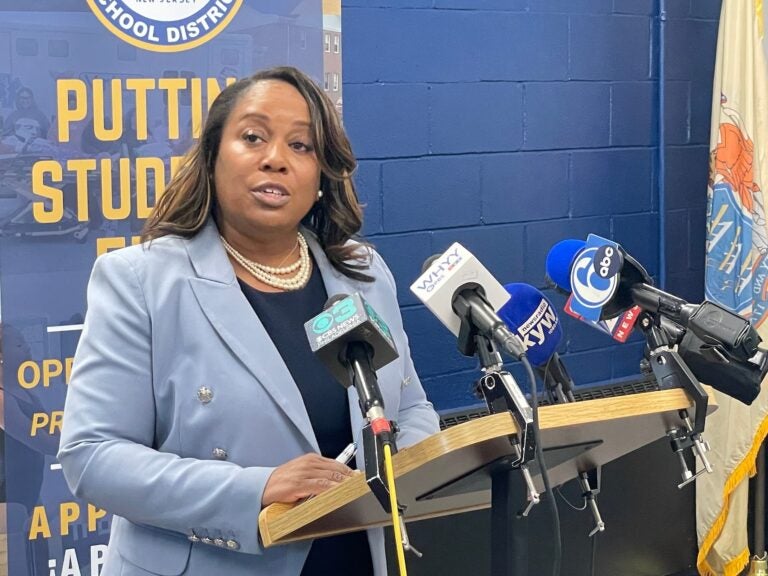
Understanding the METCO Funding Debate in Marblehead
The recent controversy over METCO funding in Marblehead has sparked lively discussions among educators, community leaders, and families alike. At its core, the debate is about ensuring that every student has access to enhanced educational opportunities while also addressing some of the tricky parts of local housing compliance. The situation demonstrates how issues tied to state education policy can have far-reaching implications in communities where even a small change, such as compliance with the multifamily housing law known as 3A, carries many tangled issues that affect both funding and local perceptions about fairness.
For several years, Marblehead has prided itself on providing a robust educational experience for its students, a commitment underscored by longstanding participation in the METCO program. METCO is a well-regarded formula grant established years ago to offer families from different backgrounds the chance to access quality education. Concerns came to a head when it was reported that noncompliance with certain housing regulations might jeopardize the town’s future state funding. However, recent statements from Superintendent John Robidoux, bolstered by assurances from Representative Jenny Armini, have clarified that the METCO funding is safe. In this editorial, we will take a closer look at the history, the current policy twists and turns, and what the future might hold for Marblehead’s schools.
Tracing the History and Importance of the METCO Program
The Metropolitan Council for Educational Opportunity (METCO) has long been a cornerstone of educational opportunity in Massachusetts. The program has allowed students from less affluent communities to attend public schools in more affluent areas, ensuring that diversity and inclusion remain key aspects of school culture. While critics sometimes point to the program’s complicated pieces as a potential source of administrative hiccups, advocates remind us that it is an essential tool in the fight for educational equity.
Historically, Marblehead has embraced the METCO initiative wholeheartedly. The town’s ongoing commitment has been described as unmatched, a clear reflection of its belief in providing a key educational force for local families. The recent discussions around a possible defunding scenario have stirred debate, highlighting the nerve-racking challenges of interpreting and applying state law when local policies and housing regulations intersect with federal guidelines.
How METCO Has Supported Marblehead’s Academic Environment
Over the years, METCO funding has contributed to the development of enriched educational environments that go beyond basic classroom instruction. Teachers and administrators have been able to incorporate a variety of special programs that support advanced academic, social, and emotional learning. With its focus on providing access to superior educational resources, METCO funding represents not only a financial asset but also a cornerstone for community trust in public education.
METCO is not simply another line item in the state budget; it embodies a commitment to inclusiveness and academic excellence. This article will explore several aspects of how METCO has been integrated into Marblehead’s schools and why recent clarifications could maintain stable funding despite past concerns.
Addressing the Confusing Bits of Local Policy and State Compliance
The debate around METCO funding in Marblehead took an unexpected turn when discussions surfaced about how noncompliance with the multifamily housing law, referred to as 3A, might affect the town’s funding. Initially, Superintendent Robidoux had hinted that failure to comply with 3A rules could result in a loss of $514,720 in state funding come the 2026-27 school year. Understandably, such large sums are intimidating for any community to see at risk.
Yet, thanks to the clarifications made by Rep. Jenny Armini, it appears that the METCO funding is not closely tied to these particular housing regulations. Instead, Armini explained that while noncompliance might affect eligibility for certain discretionary grants, METCO in Marblehead is a formula grant. To put it simply, the program funds are allocated based on preset calculations rather than a competitive process that demands strict adherence to every single housing regulation.
Sorting Out the State Versus Local Distinctions
For many, making sense of state education policy and local municipal regulations can be a nerve-wracking process filled with many twists and turns. The problem often lies in the subtle parts of funding structures and the fine points of state laws. In Marblehead’s case, much of the confusion stemmed from a misinterpretation by the Department of Early and Secondary Education (DESE), which suggested a tie between 3A compliance and METCO funding.
Rep. Armini’s assurance that “METCO funding is intact now and will be moving forward” has helped clear up the matter for local officials and the community at large. While DESE provided input that caused initial alarm, Armini’s intervention underscores the need for careful reading of the fine shades within state education policy. Her explanation—that METCO operates as a formula grant—illuminates the distinction between different types of state funding, ensuring that Marblehead’s schools remain on steady financial footing.
Key Differences Between Formula Grants and Discretionary Grants
Understanding the difference between a formula grant and a competitive or discretionary grant is paramount when analyzing the situation. The following bullet list outlines the primary distinctions:
- Formula Grants: Determined by predetermined parameters set in state law or policy; funding is allocated automatically based on these criteria.
- Discretionary Grants: Awarded based on a competitive process that often requires meeting certain criteria, including compliance with various policies or laws.
In this case, METCO in Marblehead falls under the category of formula grants. Thus, concerns that noncompliance with 3A might trigger a loss of funding were based on a misunderstanding of how METCO funds are allocated. While there is a small competitive METCO pilot program that does have its own set of requirements, Marblehead’s funding comes from the formula-based part of the program. This distinction is critical because it protects the schools from sudden budgetary shifts related to housing law compliance.
Implications for Marblehead’s Future: A Closer Look at Community Impact
The confirmation that METCO funding will remain intact is more than just a bureaucratic assurance—it has real implications for families, educators, and the community’s educational future. In communities like Marblehead, school funding is not only a reflection of current priorities, but it is also a promise for future stability and growth in educational offerings.
Local families often view any threat to state funding as a sign of instability, which can lead to anxiety about future program cuts. When community members hear that even a well-respected program like METCO might later come under financial threat, it can really make the situation seem intimidating. However, this recent update serves as a heartening reminder that community support and clear policy interpretation can help steer through the challenges.
Community Reactions and Public Sentiments
Many locals in Marblehead have voiced their concerns about what a loss of METCO funding could mean for their children’s educational opportunities. Parents and educators alike have described the idea of losing over half a million dollars in state support as both overwhelming and off-putting. The strong community identity that has developed around the schools in Marblehead makes every dollar of added support incredibly important.
In response to these concerns, public officials, including the school committee, have worked diligently to make sure families understand that the funding is secure. Here are some of the common themes reflected in recent public reactions:
- Relief: Many community members expressed relief after learning that METCO funding was not at risk.
- Validation: The renewed commitment by school officials and state representatives has validated the community’s efforts to secure educational resources.
- Continued Vigilance: Despite the current resolution, some community members stressed the need for ongoing attention to compliance matters and clear communication from government and educational institutions.
These responses underscore the importance of transparency and frequent updates, especially in situations where policy twists and turns can lead to confusion around key community issues.
Exploring the State Policy Landscape in Education Funding
The latest episode in Marblehead’s educational policy narrative is emblematic of broader challenges inherent in state education funding. State education policies are often tangled with numerous regulations that govern both academics and funding streams. When local regulations, such as those mandated in the multifamily housing law 3A, intersect with state-level funding formulas, it can create a scenario that feels both overwhelming and a bit intimidating for local officials.
Despite the confusing bits of regulatory oversight that have occasionally cast doubts on funding, it is critical to understand that state policy often contains multiple layers designed to protect educational investments. Certain instances, such as with the METCO program, serve as an example where the formula-based approach ensures that funding remains stable even if certain local conditions are not perfectly met.
Key Small Distinctions in State Funding Policies
To better grasp how state policies function, the table below outlines some fine points that differentiate various funding streams:
| Funding Type | Criteria | Impact of Local Compliance Issues |
|---|---|---|
| Formula Grant (e.g., METCO) | Predetermined formulas based on factors like enrollment numbers | Generally secure against local compliance issues in housing or other non-academic areas |
| Competitive/Discretionary Grant | Awarded through a competitive process with specific compliance requirements | More susceptible to local policy or compliance issues affecting awarding decisions |
This breakdown highlights that while no system is perfect, the structure of the METCO program offers an added layer of security for towns like Marblehead by ensuring that formula grants operate on a stable funding model. Understanding these subtle details is crucial for anyone trying to make sense of local education funding dynamics.
Managing Your Way Through Budgetary Concerns in Public Education
One of the more challenging aspects for local officials is figuring a path through fluctuating interpretations of state funding rules. When news first broke that Marblehead might lose its METCO funding due to noncompliance with housing guidelines, it led to widespread apprehension. This concern was fueled by the fear that a sudden funding cut could overwhelm the tightly balanced budgets of local schools.
Superintendent John Robidoux’s recent clarification is a reminder that policy interpretations can change quickly as new information comes to light. By confirming that the feared funding crisis was based on a misunderstanding, Robidoux helped to soothe public anxiety. Many in the community can now focus on the core mission of education rather than worrying about an off-putting potential budget shortfall.
Steps Taken by Marblehead Officials to Ensure Funding Certainty
In light of the confusion, local education leaders have taken several practical steps to provide reassurance and to ensure that local families understand the current state of affairs. These include:
- Regular Communications: Emails, meetings, and public statements have been issued, highlighting the secure status of METCO funding.
- Clarification Sessions: Meetings where officials speak in plain language about the differences between formula and competitive grants have helped demystify the issue.
- Community Engagement: By inviting feedback from parents and other community members, Marblehead leaders are working to rebuild trust and ensure that everyone is informed.
Such efforts are critical in managing the moments when local policy interpretations and state mandates might seem off-putting or intimidating. By taking the wheel and keeping communication channels open, Marblehead’s officials have set a positive example for other communities facing similar challenges.
The Broader Context: Public Education and Community Trust
This episode isn’t just a local administrative hiccup—it touches on the core values that underpin public education in communities like Marblehead. At a time when many are questioning the sustainability of public education funding, the METCO debate provides a case study in how state and local officials can work together to clarify policy, correct misunderstandings, and keep a community well-informed.
Without a doubt, the stability provided by programs like METCO is super important for many families who depend on public education to provide a diverse and enriching learning environment. When state funding mechanisms are interpreted in complicated pieces or turned on their head by miscommunications, it can create a sense of unease among parents, educators, and community stakeholders.
How Community Participation Enhances Educational Outcomes
One of the silver linings of this situation is the increased transparency and community engagement it has sparked. Educational success in any town is built on a foundation of trust between school officials and the families they serve. By keeping the lines of communication open, Marblehead’s leadership has shown a commitment to ensuring that every stakeholder has the chance to understand what is happening and why.
This renewed focus on clear, open dialogue is a must-have component for any community seeking to manage its way through complex policy landscapes. In a climate where many issues are full of problems that can lead to uncertainty, actions like these help reaffirm the shared goal: delivering quality education regardless of the administrative twists and turns that may arise from time to time.
Looking Ahead: Future Challenges and Opportunities
While the immediate threat to METCO funding appears to have been averted, this episode presents a number of opportunities for reflection and future preparedness. There are several lessons that stakeholders from Marblehead and similar communities can take away from this incident:
- Importance of Clear Communication: Regular, plain-language updates about funding, compliance, and state education policy can reduce anxiety and misinterpretations.
- Understanding the Tricky Parts of Policy: A better grasp of how formula grants operate compared to discretionary grants can help communities make informed decisions.
- Anticipating Policy Shifts: By taking a closer look at changes and potential impacts, communities can ensure they are not caught off guard by future shifts in policy.
- Community Involvement: Active engagement by parents and other community members remains a key factor in holding local officials accountable for clear and effective communication.
These actions not only provide a roadmap for handling similar situations in the future but also support the overall mission of public education in a rapidly changing landscape. It is essential for the community to keep digging into the developments as they unfold, ensuring that every decision aligns with the best interests of its students and families.
Strategies for Future Policy Clarity
Looking forward, Marblehead and other communities must consider a proactive approach to policy communication. Initiatives could include:
- Educational Workshops: Hosting sessions aimed at explaining state funding mechanisms and local compliance requirements in simple terms.
- Regular Policy Reviews: Setting up a routine where school officials and community leaders review new policy updates from state agencies can help preempt potential misunderstandings.
- Creating Resource Hubs: Developing online resources, such as FAQs or detailed guides, can serve as a constantly accessible reference point for parents and educators.
- Feedback Mechanisms: Establishing forums or surveys for community input on school funding and policy issues can promote an ongoing dialogue between the town’s leadership and its constituents.
By investing time and effort in these initiatives, communities can figure a path through the confusing bits of policy and funding decisions, ultimately ensuring that educational programs like METCO continue to receive the support they need to thrive.
Final Thoughts: A Balanced Outlook on Local Education Policy
The recent developments around METCO funding in Marblehead serve as a potent reminder that education policy can sometimes be riddled with tension and miscommunication. What might first appear as a nerve-racking threat to school funding was quickly unraveled by careful review and the committed work of local leaders and state representatives. In our case, Rep. Jenny Armini’s clear assurances and Superintendent John Robidoux’s prompt action helped steer the community away from an ambiguous and potentially overwhelming scenario.
At its best, public education is about taking care of the community’s children and providing them with every opportunity to succeed. This means that even in the face of intimidating policy challenges, local leaders must work diligently to clear out the confusing bits and to emphasize transparency and accountability.
What This Means for Marblehead Families
For families in Marblehead, the news that METCO funding remains secure is a welcome relief. It underscores a broader philosophy that public funding, when managed properly, can serve as a stable foundation even amidst the subtle twists that come with administrative oversight and regulatory changes. It is a reminder that when community leaders work together and keep lines of communication open, even the most intimidating hurdles can be overcome.
As parents, educators, and community stakeholders continue to engage with local school policies, it is essential to remember that a few nerve-racking challenges do not define our educational future. Instead, each challenge is an opportunity to take a closer look at our shared values and to confirm our commitment to a well-rounded education for every child.
Looking Beyond the Immediate Crisis
While the resolution regarding METCO funding might seem like the end of a short-lived crisis, it also opens the door to broader, forward-thinking discussions about how best to manage public funds, ensure compliance with state mandates, and foster a culture of informed citizenry. The lessons learned here could have a ripple effect, influencing policy decisions in other localities and providing a model for proactive communication and problem-solving.
This balanced approach—where policy is reviewed, explained, and discussed openly—can help many communities work through the tangled issues inherent in school funding. It is a path that allows citizens to get into the nitty-gritty of critical policy debates without being overwhelmed by the intimidating technicalities that often accompany state education mandates.
Conclusion: Embracing Transparency and Preparedness in Education Policy
In conclusion, the recent discussions surrounding METCO funding in Marblehead underscore both the challenges and opportunities that arise when state education policies intersect with local compliance issues. By clarifying that METCO is a formula grant unaffected by certain housing compliance issues, local officials and representatives have set a reassuring tone for the future of Marblehead’s schools.
At its heart, this situation is a reminder that clear, timely communication is super important in avoiding unnecessary public worry. When policies are described in straightforward language and when local leaders commit to engaging with their communities, it creates an atmosphere of trust and cooperation that can help steer through even the most intimidating policy debates.
As we move forward, it is essential to keep in mind:
- The value of consistent communication between school officials, policy makers, and the community.
- The importance of understanding the little details of how state funding works.
- How proactive measures in explaining and clarifying policy can prevent misunderstandings and reduce anxiety.
Marblehead’s experience with METCO funding is a case study in managing public education policy amidst perplexing regulatory twists and turns. It reinforces the idea that while the path through education funding can be filled with challenging parts, carefully navigating these issues ultimately supports students, families, and educators alike.
Ultimately, the situation in Marblehead is one of cautious optimism. It demonstrates that the combined efforts of state representatives, school officials, and an engaged community can ensure that public education remains a steadfast priority. In a world where policy changes are both nerve-racking and ubiquitous, it is the clarity of communication and the strength of community relationships that will continue to drive success in our schools.
Looking ahead, Marblehead and similar communities would do well to apply these lessons by remaining vigilant, embracing clear dialogue, and taking proactive steps to ensure that future policy challenges are met with informed action and thoughtful engagement.
In celebrating the resilience of our public education system, we also acknowledge the work that still lies ahead. The journey through policy complexities might be filled with confusing bits and intimidating twists, but it is a journey that many communities are now better prepared to take together. With sustained attention, open dialogue, and a clear commitment to quality education, the future holds promise for students and educators across Marblehead and beyond.
Originally Post From https://marbleheadcurrent.org/2025/08/03/update-superintendent-says-metco-funds-will-not-be-impacted/
Read more about this topic at
UPDATE: Superintendent says METCO funds will not be …
Top Stories – Marblehead Current

