The Politics of Educational Censorship: A Closer Look at SB 12
Recent developments in Texas have stirred a heated debate about the role that public schools play in discussing identity, diversity, and history. Senate Bill 12 (SB 12) is at the center of this controversy: a new law that prohibits any program or activity in K–12 public schools—including charter schools—that mentions race, ethnicity, gender identity, or sexual orientation. Advocates, including Students Engaged in Advancing Texas (SEAT) and the ACLU of Texas, have vowed to challenge the law in court, arguing that its restrictions undermine inclusive public education and infringe on constitutional rights.
In this opinion editorial, we aim to dive in into the many layers of this contentious issue. We will explore how SB 12 is set to impact curricula in Texas, the effect it might have on students—especially those from marginalized communities—and the broader implications for educational policy in the state. By taking a closer look at these topics, we can better understand the tangled issues that educational policymakers, teachers, and advocacy groups face in the evolving landscape of public education.
Understanding the New Law and Its Implications
The recent law, signed into effect by Governor Greg Abbott, is designed to bar a wide range of programs and activities that reference race, ethnicity, gender identity, or sexual orientation. Its implementation, scheduled for the 2025–2026 school year, will affect not only in-class instruction but also after-school programs, field trips, and the informal guidance that educators and volunteers provide.
This prohibition extends even to organizations such as Gender and Sexuality Alliances (GSAs), which are designed to offer safe spaces for LGBTQIA+ youth. Critics argue that such restrictions not only silence important conversations about diversity but also isolate students who need support. Meanwhile, supporters contend that the law is intended to prevent politically charged or divisive content in classrooms.
How SB 12 Alters Curricular Discussions in Texas Public Schools
The state law attempts to limit discussions related to identity in multiple ways. Key elements of the bill include:
- Prohibiting mention of race, ethnicity, gender identity, or sexual orientation in any educational program or activity.
- Barring GSAs and similar groups from forming or operating within school environments.
- Restricting both formal and informal types of support that teachers, volunteers, and even parents might offer to students exploring these topics.
Opponents warn that these measures will have a cascading effect on how history and contemporary society are taught. Without open discussions about race and sexuality, educators might find themselves steered away from addressing topics that are essential for understanding the full history and multicultural reality of Texas and the United States.
Impact on LGBTQIA+ Students and Support Systems
One of the most serious concerns regarding SB 12 is its potential impact on LGBTQIA+ students, particularly transgender and nonbinary youth. The law explicitly prohibits support for these groups, ultimately sending the message that these students may not fully belong in academic spaces.
Many argue that this legal restriction not only marginalizes LGBTQIA+ students but also sets a dangerous precedent for the treatment of other minority groups. The intended suppression of any discussion about diversity can create an environment that is both intimidating and off-putting to students who rely on understanding and empathetic engagement to thrive academically and socially.
Challenges Faced by Vulnerable Student Populations
For many students, school is more than just a place to learn—it is a critical environment where identities are explored and validated. By shutting down programs and discussions related to gender identity and sexual orientation, SB 12 forces students to deal with:
- Feelings of isolation as they are made to feel different or unwelcome.
- Limited opportunities to engage with history and cultural narratives that validate their personal experiences.
- Heightened risk of bullying and discrimination, as the law indirectly sanctions a narrower understanding of community values.
This set of regulations may further alienate minors who need safe spaces in their academic journeys. Advocates stress that inclusive programs are not simply extra-curricular but are key to the healthy psychologic and social development of all students.
Constitutional and Educational Policy Concerns
At its core, the legal challenge mounted by SEAT and the ACLU of Texas is about constitutional rights. The assertion is that SB 12 infringes upon students’ rights to free speech and equal educational opportunities by imposing a narrow view of acceptable discourse. This argument is supported by comparisons to similar legal challenges nationwide—where federal courts have ruled against attempted bans that limit educational discussions on diversity, equity, and inclusion.
Proponents of the law, however, maintain that it is designed to prevent divisive or biased content in schools. They claim that the bill is a necessary measure to ensure that educators remain politically neutral while providing a factual account of history. Still, many legal experts consider the law to be a heavy-handed attempt to rewrite or simplify aspects of Texas history and society.
The First Amendment and Academic Freedom in Debate
Central to the opposition is the claim that the law hinders academic freedom—a cornerstone of an inclusive and broad-based educational experience. Academic freedom enables teachers to introduce multiple perspectives and encourage critical thinking. By limiting these discussions, SB 12 might limit the ability of educators to:
- Offer a full, if at times messy, picture of historical and contemporary social movements.
- Encourage students to question and challenge dominant narratives.
- Create learning environments where the full spectrum of opinions and viewpoints is available for discussion.
Thus, while the law is presented as a measure to create a neutral educational setting, critics argue that the result may, in fact, be the opposite: an academic environment starved of the rich, diverse conversations that promote understanding and empathy.
Unpacking the Effects on Practical Teaching and Learning
Beyond the constitutional debates lie the day-to-day effects that teachers and administrators will face. In many ways, the implementation of SB 12 presents a series of tricky parts and tangled issues that complicate working in the classroom. Educators must now consider how to discuss topics of history and identity without crossing new, unclear lines defined by the law.
Questions that arise include:
- How can educators incorporate discussions about important social movements without risking legal repercussions?
- What training or guidelines will be provided to help teachers figure a path through these confusing bits?
- Will parents or school boards intervene more aggressively in curriculum design as a result of these restrictions?
In response, some school districts are exploring new training modules designed to help educators find creative ways to support comprehensive education while complying with state mandates. Workshops, legal briefing sessions, and collaborative teacher planning meetings have become more common as school leaders work through these nerve-racking challenges.
Creative Strategies to Maintain Inclusive Education
Teachers may need to adapt quickly to ensure that their classrooms remain both compliant with state law and inclusive of all students. Several strategies are emerging, such as:
- Focusing on historical events and their factual accounts rather than the political motivations behind them.
- Utilizing vetted educational resources that have passed state review.
- Creating discussions that frame topics in terms of cultural contributions rather than political ideologies.
Some educators argue that if approached properly, these methods can still provide a broad perspective on history and society without violating the restrictions imposed by SB 12. However, these approaches come with their own set of twists and turns that require careful consideration and continuous adjustment.
The Broader Context: Historical and Social Dimensions
The battle over SB 12 is not an isolated event. It must be seen in the broader context of educational policy debates seen across the nation. Similar laws and administrative actions have been rolled back in other states, such as Florida and Iowa, where measures limiting discussions on LGBTQIA+ topics were either narrowed down or struck down by federal courts.
The conversation around educational censorship and curricular limitations in Texas is simply the latest installment in a long series of debates that have, over the years, shaped public education. Educators and policymakers grapple with either preserving an inclusive environment that acknowledges the full range of human experiences or adopting a more sanitized curriculum that avoids politically charged topics altogether.
Comparing Texas to Other States on Curriculum Controls
Across the country, several states have encountered similar challenges. For example, Florida has been engaged in settlement negotiations over its restrictive “Don’t Say Gay” law, while federal judges in Iowa have blocked aspects of their own anti-LGBTQIA+ school speech restrictions. These developments indicate that the debate is national in scope and involves both legal and societal dimensions.
| State | Legislative Action | Result/Status |
|---|---|---|
| Texas | SB 12 limits discussions of race, ethnicity, gender identity, and sexual orientation | Pending legal challenge by ACLU of Texas and SEAT |
| Florida | Restrictions on LGBTQIA+ discussions | Amended under settlement negotiations |
| Iowa | Restrictions on school speech regarding diversity | Partially blocked by federal judges |
This table illustrates that Texas is not alone in facing the off-putting challenge of balancing state policy with the need for educational inclusivity. Each state is trying to find its path through a maze of legal precedents, public opinion, and educational needs.
Reactions from Student Advocates and Civil Rights Groups
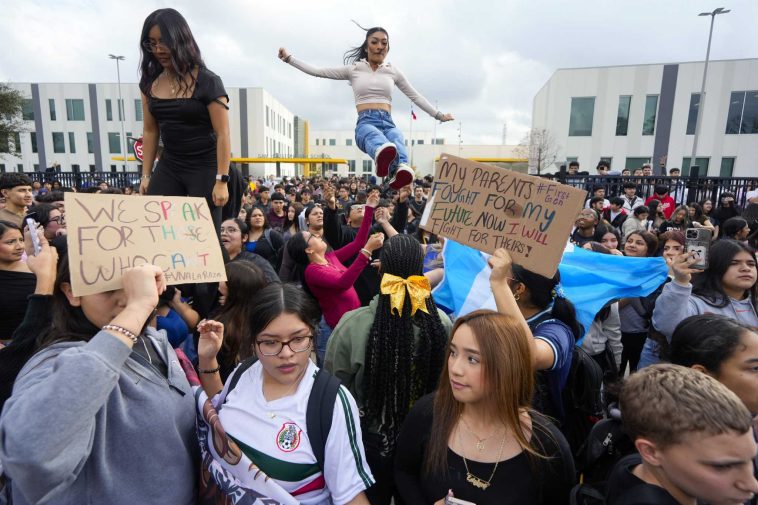
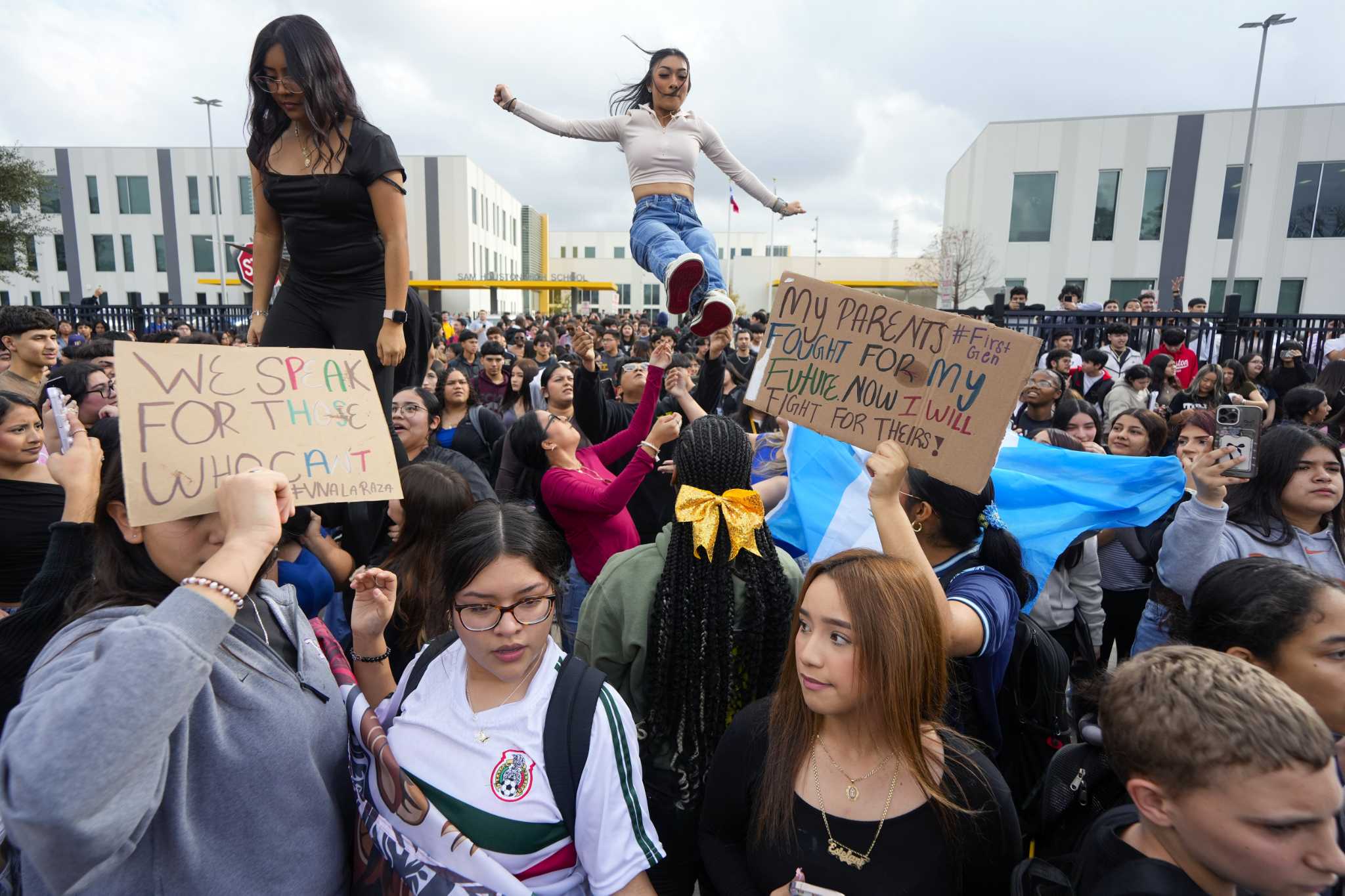
Students and civil rights organizations are vocally opposed to SB 12. In a joint statement, SEAT and the ACLU of Texas argued that the new law “seeks to erase students’ identities” and poses a threat to the freedoms of expression that are so critical to a multicultural democracy.
Students emphasize that a public education system must respect and reflect the diverse histories and experiences of its citizens. They warn that by sidelining or censoring important cultural discussions, state leadership risks making schools unsafe and unjust for students who already face challenges on multiple fronts.
Voices of Tomorrow: Student Perspectives on Inclusive Education
Many students see themselves as active participants in the narrative of their education. They argue that excluding discussions about race, gender identity, and sexual orientation deprives them of the opportunity to fully understand and contribute to the historical dialogue.
Key concerns raised by student advocates include:
- The risk of being misinformed about historical events and cultural realities.
- The loss of a forum for discussing and affirming their identities.
- The potential for increased social isolation and misunderstanding among peers.
Organizations like SEAT argue that by barring teachers and student groups from talking about these issues, the state is not only curbing academic freedom but is also turning its back on a generation of young people who are eager to be part of the decision-making process in curriculum planning. As one student representative put it, “We are not just passive recipients of knowledge; we are partners in creating a future that reflects all our voices.”
Repercussions on Teacher Autonomy and Training
The implementation of SB 12 also poses significant challenges for educators. Teachers who have long relied on open discussion and critical analysis as tools for learning now face a new set of nerve-racking rules. These new guidelines create an educational environment where every classroom conversation is potentially subject to scrutiny.
Many educators express concerns that this law will hamper their ability to teach honestly and effectively about the tangled issues that define our cultural and historical landscape. The restrictions force teachers to choose between the full presentation of history or the avoidance of topics that might be viewed as politically charged.
Strategies for Teachers: Balancing Compliance and Integrity
For teachers trying to find their path through these restrictions, several approaches are under consideration:
- Resource Vetting: Using educational materials that have been carefully reviewed for compliance while still offering a balanced perspective on history and culture.
- Focused Historical Inquiry: Relying on documented historical facts, when possible, to sidestep discussions deemed overly controversial while still informing students about significant events and movements.
- Professional Development: Participating in workshops and training sessions aimed at “sorting out” the legal guidelines and finding creative ways to support student learning.
These strategies illustrate the fine points of how educators might continue to deliver a robust education despite the formidable limits imposed by SB 12. Even so, the threat that teachers may face disciplinary action for unintended missteps remains an ever-present worry.
Economic and Social Implications for Texas Public Schools
The repercussions of SB 12 are not restricted solely to classroom practice. The broader social fabric and economy of public education in Texas may also feel the effects. By undermining inclusive curricula, the law risks sending out a message that could have long-lasting impacts on community relations and workforce readiness.
Critics argue that by curtailing discussions about diversity and inviting a more sanitized narrative, schools may be doing a disservice not only to current students but also to the future workforce that depends on a comprehensive and inclusive education. In a state as diverse as Texas, many believe that excluding key topics only serves to deepen societal divides.
Potential Long-Term Outcomes for Students and Communities
Some of the potential consequences of SB 12 include:
- Workforce Preparedness: A generation of students may grow up without the necessary understanding of complex social dynamics, limiting their ability to work in diverse environments.
- Social Cohesion: Excluding discussions that reflect the full spectrum of Texas history could further polarize communities, deepening existing divides.
- Community Trust: When public institutions appear to silence parts of a community’s identity, it can erode public trust in those institutions, making constructive dialogue more challenging.
These potential outcomes are full of problems in themselves—each representing additional twists and turns in an already tangled legislative agenda. The risk of long-term damage makes it clear why this debate is so critical and why so many stakeholders are mobilizing against it.
Historical Reflections: Comparing Past and Present Educational Policies
To truly understand the impact of SB 12, it helps to place it in the historical context of educational censorship in America. The United States has a long legacy of debates over curriculum content and the regulation of academic discourse. Over time, various laws and court rulings have shaped the educational landscape into what it is today, and SB 12 is the latest chapter in this ongoing story.
Historically, similar regulations were introduced during periods of political or social upheaval, often with the intent to maintain a certain ideological purity. Today, while the explicit aims might differ, the tactics are strikingly similar: limiting discussion, silencing dissent, and prioritizing a narrow interpretation of history. For many commentators and legal experts, SB 12 reflects the state’s attempt to steer the educational narrative in a way that aligns with a very specific political viewpoint.
Lessons from the Past and Their Relevance Today
By taking a closer look at past educational policies, a few key observations emerge:
- Regulation vs. Expression: Past efforts to regulate educational content often led to backlash from educators, parents, and students who saw these measures as attempts to dilute the truth.
- Resilience through Advocacy: Many of the most significant advances in educational freedom have come as a result of sustained advocacy and legal challenges—much like the current efforts by the ACLU and SEAT.
- Evolving Standards: As society changes, so too does the concept of what constitutes an inclusive curriculum. Historical lessons suggest that overly rigid restrictions are hard to maintain in a rapidly changing cultural climate.
These lessons underline the importance of remaining flexible and open to dialogue. They also serve as a reminder that interventions aimed at filtering or limiting thought rarely succeed in the long term, often giving rise to a more vibrant, albeit contentious, academic debate.
Looking Ahead: Legal Battles and Future Educational Directions
With the impending legal challenge from SEAT and the ACLU of Texas, the future of SB 12—and by extension, Texas public education—is uncertain. The legal battle ahead represents more than a challenge to a single law; it is a critical test of how far the state is willing to go in defining what students are allowed to learn about their identities and the world around them.
Educators, parents, and policy experts are all watching closely as the courtroom battles begin. The outcomes of these legal actions could set a precedent that affects not only Texas but other states wrestling with similar issues. The stakes are super important: they dictate whether public schools will be places of open inquiry and understanding or controlled environments where sanctioned narratives dominate.
Possible Legal Outcomes and Their Implications
Several potential scenarios could emerge from the impending court cases:
- Judicial Reversal: A court ruling against SB 12 could reinforce the principles of academic freedom and lead to a renewed commitment to comprehensive, inclusive education.
- Partial Enforcement: The court might strike down only certain provisions of the law, forcing Texas legislators to strike a balance between state oversight and educational freedom.
- Full Upholding: If the law is upheld, educators may be forced to adhere strictly to the new restrictions, possibly leading to further legal and social challenges.
Each of these outcomes carries significant implications not just for legal policy, but for the daily lives of thousands of students and teachers. The legal system’s handling of SB 12 could either cement a new era of restricted discourse in the classroom or mark a resounding affirmation of the right to a diverse and comprehensive education.
Community Responses: Balancing Policy and Public Sentiment
Community reactions to SB 12 have been mixed, reflecting the varied perspectives on what should be the role of public schools. While some community leaders support the initiative as a measure to promote neutrality in education, many others believe that it stifles the essential discussion of history, culture, and identity that public schooling should nurture.
Local organizations, parent associations, and community forums are increasingly becoming platforms where the public can voice their concerns and hopes. This grassroots engagement highlights that educational policy is not solely the domain of lawmakers; it is inherently intertwined with the social fabric of community life.
How Communities Can Support Inclusive Education
In light of these challenges, community stakeholders have considered several approaches to ensure that schools continue to serve all students effectively:
- Advocacy and Dialogue: Engaging in community discussions, attending school board meetings, and supporting advocacy groups can help keep the conversation on inclusive education alive.
- Parent-Teacher Collaboration: Creating open channels of communication between parents and educators can help bridge gaps and develop strategies that support the needs of diverse learners.
- Monitoring and Reporting: Parents and community members can monitor the implementation of SB 12 and report any actions that may undermine inclusive teaching, ensuring accountability at all levels.
This collaborative effort, while admittedly fraught with its own set of complicated pieces, is critical to maintaining a balanced educational environment where every student feels seen and supported.
Reflections on the Role of Public Education in a Diverse Society
At its heart, the debate over SB 12 reflects a broader question about the purpose of public education in today’s society. Is the goal of education to prepare students to thrive in a diverse and ever-changing world, or should it be a sanitized space where only certain topics are deemed acceptable? The answer comes down to the idea that schools should encourage critical thinking, promote empathy, and prepare students to navigate the tricky parts of the modern world.
Those who oppose SB 12 maintain that inclusive education is fundamental to developing well-rounded citizens capable of understanding and respecting different perspectives. When students are given the opportunity to engage with a variety of viewpoints and cultural narratives, they become better equipped to excel in a global workforce and contribute meaningfully to society.
Essential Elements of a Comprehensive Education
An inclusive curriculum does more than impart academic knowledge; it builds the foundation for civic engagement and social responsibility. Key elements include:
- Critical Thinking: Encouraging students to question and analyze complex social issues.
- Cultural Competence: Helping students understand different cultural backgrounds and perspectives.
- Empathy and Understanding: Providing a safe space for students to explore and affirm their identities.
When schools focus on these must-have elements, they prepare students not only academically but also socially, equipping them with the tools needed to address the subtle details and slight differences that define our modern society.
Conclusion: The Path Forward for Texas and Beyond
As the legal battles over SB 12 unfold, educators, students, and community members find themselves at a crossroads. The outcome of this debate will likely influence the direction of educational policy not only in Texas but across the nation. Many believe that maintaining an open, inclusive curriculum is not just desirable but absolutely critical for the development of a truly pluralistic democracy.
Whether the law is ultimately upheld, modified, or struck down, the discussions it has ignited are essential. They force us to confront the challenging bits and tangled issues that arise when policy intersects with identity, history, and the future of education. By taking a closer look at these developments, stakeholders can better understand the dynamics at play and work together to foster an environment that values both compliance with legal standards and the inclusive, broad-ranging discourse that has always been the hallmark of progressive education.
In the end, the debate over SB 12 is about more than just legislative language—it’s about who we are as a society and what kind of future we want to build for the next generation. The challenge now is to find a balanced path that respects individual rights, supports diverse student needs, and upholds the tradition of public education as a place where all voices can be heard.
As this legal and cultural tug-of-war continues, it is crucial that all sides—legislators, educators, parents, and students—remain actively engaged in the dialogue. Only through sustained advocacy, open discussion, and a commitment to a truly comprehensive educational approach can Texas, and indeed the nation, steer through these nerve-racking twists and turns towards an inclusive future where every student finds their rightful place in the history and conversation of our society.
The coming months and years will undoubtedly test the resilience of American public education. Yet, it is in these moments of challenge that communities learn to work through the delicate details that shape both policy and pedagogy. As educators, policy makers, and advocates make their case in courtrooms and community halls alike, we are reminded that education is not merely about facts and figures—it’s about fostering the critical, empathetic, and curious minds that will lead us into tomorrow.
In these uncertain times, the battle for inclusive education remains a reminder of the essential role that open dialogue and diverse perspectives play in shaping our collective future. While the legal challenges ahead are intimidating and the path forward may be riddled with tension, one thing remains clear: a well-rounded education that embraces all facets of identity is a cornerstone of our democratic society, one that helps all students navigate the tangled issues of our time with confidence and compassion.
Originally Post From https://www.schoollibraryjournal.com/story/Student-Group-ACLU-Texas-Sue-State-Over-New-Law-impacting-public-schools
Read more about this topic at
NEA Defends Inclusive Education and Wins – What you …
Why Inclusive Education Is So Difficult to Defend and Deliver