Mobile County Public Schools in Uncertain Times Amid Federal Funding Freeze

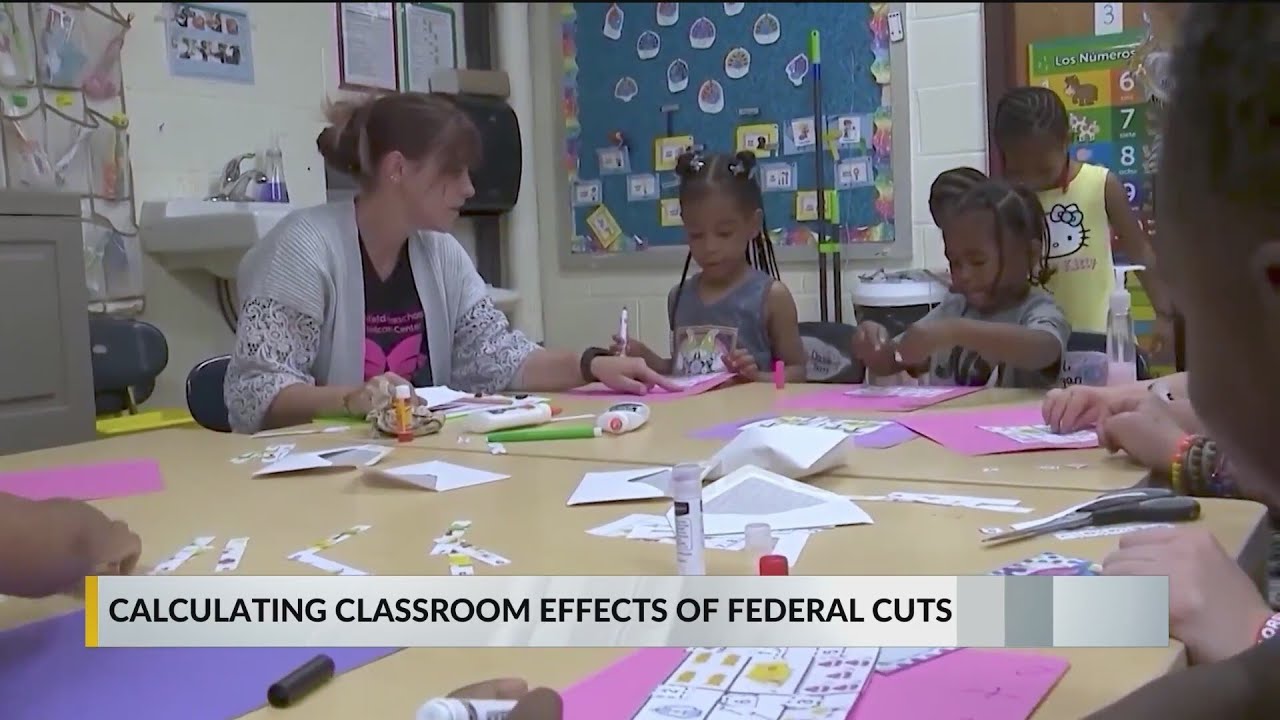
Modern Education Policies: A Balancing Act Between Elementary and Higher Education
Over the past few years, the education landscape has seen a series of twists and turns in both elementary and higher education policy. With state and federal mandates constantly on the move, decision-makers, educators, and parents alike are trying to figure a path through a maze of conflicting goals and shifting priorities. This opinion editorial takes a closer look at the current policy environment, examining the challenges and opportunities on offer, and offers insights drawn from the experiences of schools across the country.
Understanding the Evolution of Funding Strategies in Public Schools
Funding for public schools is one of the most discussed issues in education today. Despite efforts to streamline budgets, school districts often find themselves wrestling with tangled issues that affect everything from classroom resources to teacher salaries. In recent years, state-level funding reforms have attempted to provide more flexibility. However, educators still face the nerve-racking task of making sense of state contributions amid rapidly changing federal guidelines.
When addressing these funding challenges, a few clear observations emerge:
- Local vs. State Funding: Many districts rely heavily on local property taxes, creating disparities between wealthy and underserved communities.
- Allocation Priorities: Even when additional funds are provided, administrators must decide which programs or initiatives should receive support. This often results in debates over the balance between traditional subjects and expanding programs like STEM or arts.
- Long-Term Impact: The long-term effects of fluctuating budgets mean that schools continuously must manage immediate needs while planning for future stability.
Highlighting these points provides insight into just how essential it is to create more consistent and equitable funding strategies that lessen the burden of decision-making on local educators and administrators.
State-Level Reforms: Working Through the Budget Constraints
Many states have embarked on ambitious reforms to help schools manage the tricky parts of funding amidst shifting federal policies. These reforms include initiatives to equalize funding distribution, enhance teacher pay, and support innovative educational programs. However, the implementation of these policies is often made awkward by confusing bits of bureaucracy and the constantly evolving educational environment.
Among the state-level initiatives, a few themes remain critical:
- Equity in Education: State governments are challenged with providing equitable resources to a diverse mix of urban, suburban, and rural schools. This becomes especially significant when considering that schools in low-income areas have historically been short-changed.
- Teacher Support Programs: Supporting educators through higher salaries, continuing education, and professional development programs is a key focus area. Many states have begun programs that directly tie teacher support to improved student outcomes.
- Infrastructure Investments: From updating physical facilities to enhancing broadband connectivity, states are increasingly recognizing that modern education must come with modern infrastructure.
These measures underscore the efforts of state governments to tackle the tricky parts of education policy, even when the process is laden with tension from competing interests and limited budgets. In many cases, state reforms act as a bellwether for what might become the national standard if successfully implemented.
Federal Education Initiatives: Digging Into the Current Policy Shifts
The role of the federal government in shaping education policy has long been a point of contention. While some see federal initiatives as a source of much-needed support and accountability, others argue that they often impose off-putting mandates that can impede local decision-making. In recent years, federal policies have taken on even more significance as they intersect with technological innovations, standardized testing practices, and evolving pedagogical theories.
This evolving framework is seen through several federal initiatives:
- Increased Accountability Measures: Federal programs often require rigorous testing and reporting standards. While the intention is to bolster academic achievements, some educators contend that this approach places excessive pressure on both students and teachers.
- Technology Integration Programs: Today’s classrooms increasingly rely on digital learning solutions and online educational resources. Federal funding has been instrumental in supporting these technological shifts, though the roll-out has not been without its tangled issues.
- Inclusive Education Policies: Another major focus of federal initiatives is ensuring policies accommodate all learners, including those with special needs. Although these inclusive policies are essential, their implementation can sometimes appear overwhelming due to the layered guidance provided at multiple administrative levels.
The federal government’s role in examining the fine points of these initiatives is crucial. While the policies are designed with the best intentions, their practical execution often requires local administrators to dive in, adjust quickly, and sometimes even modify expectations in the classroom.
Local Impact: How Education Policy Translates to the Classroom
Even though a great deal of attention is often placed on federal and state policies, the real-world implications are felt most acutely in local classrooms. School principals, teachers, and students are the ones who directly experience day-to-day changes born from these high-level decisions. It is here that twists and turns in policy can have both intended and unintended consequences.
Some of the most noticeable impacts include:
- Resource Allocation: Adjustments to funding often mean the difference between well-funded science labs or outdated textbooks. Teachers find that they must make your way through budget shortfalls while still striving to offer a robust curriculum.
- Curricular Flexibility: Local educators sometimes need to craft innovative lesson plans that align with policy mandates but also meet the diverse needs of their student population. This calls for a careful balancing act between adhering to guidelines and responding to classroom realities.
- Professional Development Demands: As state and federal guidelines push for continuous improvement, educators are often required to participate in training and workshops. For many, this is a welcomed opportunity to learn new techniques; for others, it is another layer of responsibility in already busy schedules.
In numerous cases, the best way forward is to maintain open lines of communication between policymakers and educators. When teachers can offer feedback on how policies interconnect with everyday teaching challenges, it creates a more dynamic and adaptable framework that benefits everyone involved.
Challenges in Balancing Traditional and Innovative Teaching Approaches
One of the larger debates in education policy centers around the balance between tried-and-true traditional teaching methods and newer, technology-driven innovations. Many argue that a rigid adherence to long-standing curricula can hinder progress, while others maintain that foundational skills should not be overshadowed by the lure of rapid technological changes.
This balancing act is full of problems when it comes to making decisions under tight timelines and competing priorities. The issues include:
- Curriculum Overhaul vs. Stability: Constant modifications to the curriculum can leave educators feeling like they are always playing catch-up. At the same time, too little change might result in classrooms that do not meet the evolving needs of students.
- Integrating Technology in a Meaningful Way: While digital tools undoubtedly offer exciting new ways to engage students, their effective integration requires carefully planned training, adequate infrastructure, and a willingness from all levels—administrators to classroom teachers—to adopt new practices.
- Teacher Preparedness: Educators need the support and resources to feel comfortable making your way through these changes. Training programs and professional development workshops play a key role in ensuring teachers are well-equipped to use technology alongside traditional teaching methods.
The schooling community is split between maintaining a stable foundation and pushing for innovative reforms. Successfully managing your way through these requirements means not only addressing the immediate pressures of classroom demands but also ensuring that students are prepared for a future where both traditional and innovative skills are valued.
Building Collaborative Partnerships Between Educators and Policymakers
Given the large-scale shifts in education policy seen in recent years, many experts now advocate for a stronger, more collaborative partnership between educators and policymakers. This cooperative approach is essential if we are to successfully address the off-putting challenges faced by schools at every level.
Key strategies for improving collaboration include:
- Regular Communication Channels: Establishing consistent lines of dialogue—through meetings, surveys, and advisory councils—can help both policymakers and educators understand the obstacles faced in real-world settings.
- Inclusive Policy Formulation: When teachers and administrators are actively included in the decision-making process, policies are often more closely tailored to the needs on the ground. This approach reduces the risk of overlooked details or unrealistic mandates.
- Shared Accountability: Joint initiatives that hold both educational leaders and policymakers accountable can create a sense of shared responsibility. Such partnerships lead to practical solutions that are better suited to the challenges inherent in both elementary and higher education environments.
Constructive feedback mechanisms allow complex education policies to be refined over time, making it easier for all parties to adapt to the inevitable twists and turns that come with any substantial reform. Ultimately, a united front is the best way to work through the overwhelming issues that arise in any educational context.
Examining the Role of Higher Education in a Changing Policy Environment
While most discussions tend to focus on elementary and secondary education, higher education is equally affected by these shifting federal and state policies. Colleges and universities face unique challenges, from securing research grants to adapting to global competition, all while keeping pace with technological advancements and increasingly demanding workforce expectations.
The policy challenges in higher education can be summarized into several key areas:
- Research and Innovation Funding: State and federal investments in research are essential for any higher education institution that aims to maintain its competitive edge. Despite significant funding in some areas, many universities struggle with the unpredictable funding environment that can make planning future projects a nerve-racking exercise.
- Affordability and Access for Students: Rising tuition costs and increasing student debt are major issues, prompting debates over how higher education should be funded. Policies aimed at reducing the financial burden on students must balance short-term relief with long-term fiscal sustainability.
- Adapting to Technological Changes: In our rapidly digitalizing world, universities must upgrade their technologies to meet student expectations. This isn’t just about investing in online learning platforms—it also means rethinking how traditional lectures and laboratory sessions are conducted to incorporate modern learning tools.
Higher education policymakers must take into account the little details that influence every aspect of the academic experience. While federal policies provide the framework for innovation and expansion, it is the creative problem-solving at the institutional level that often determines the lasting success of such reforms.
Strategies for Educators to Figure a Path Through Policy Changes
Given the flux of reforms and the constant influx of new mandates, educators across the nation are in a continuous state of adjustment. The responsibility of translating policy into practice involves not only understanding the overarching objectives but also figuring a path through the day-to-day challenges of the classroom.
Several strategies can help teachers and school administrators manage these swirling changes more effectively:
- Professional Learning Communities: Collaborative groups of educators can offer support by sharing best practices and providing practical tips on adapting to new policies. The collective wisdom gained through these groups can help steer through the confusing bits of policy implementation.
- Targeted Training Programs: Focusing on specific skill sets, whether related to new technology, curriculum updates, or inclusive classroom practices, helps educators feel more confident when the policy shifts threaten to overwhelm them with additional demands.
- Direct Engagement with Policy Makers: Where possible, educators should take advantage of channels to provide feedback. This direct input can often coax adjustments that reflect the on-the-ground realities of a classroom, leading to changes that are both practical and effective.
- Resource-Sharing Platforms: Digital forums, online databases of best practices, and professional networking sites serve as invaluable tools for disseminating strategies that have been proven to work in similar environments.
Taking these steps not only reduces the off-putting nature of policy changes but also transforms educators into active partners in crafting the ideals behind these decisions. When teachers feel empowered, students benefit immensely from a responsive and engaged educational system.
The Importance of Measuring Success and Adjusting Policy Accordingly
One of the key challenges in the current education ecosystem is determining whether policies are truly beneficial or if they simply add another layer of complexity. Evaluation is critical to ensuring that both elementary and higher education systems remain on track to meet their long-term objectives.
A systematic evaluation approach should include:
| Area of Focus | Key Indicators | Potential Adjustments |
|---|---|---|
| Funding Allocation | Equitable distribution, resource use efficiency | Rebalancing state and local contributions, revising grant conditions |
| Teacher Support | Professional development uptake, teacher satisfaction surveys | Enhancing training programs and accountability measures |
| Student Outcomes | Test scores, graduation rates, college enrollment statistics | Curriculum adjustments and targeted intervention programs |
| Technology Integration | Usage rates, digital literacy benchmarks | Increased investment in training and infrastructure |
This table of metrics underscores how effective policy requires consistent fine-tuning based on measurable outcomes. By taking a closer look at these key areas, stakeholders can identify which policies are working well and which require further changes to better meet the needs of their communities.
Forecasting Future Trends in Educational Policy
Looking ahead, the educational policy landscape appears set to change even more radically in the coming years. Several long-range trends are already being discussed by experts and have the potential to reshape the field:
- Personalized Learning Models: With advances in technology and data analytics, there is a growing interest in tailoring education to meet each student’s strengths and challenges. This trend, while promising, also brings its own set of tricky parts regarding data privacy and equitable access to advanced tools.
- Increased Public-Private Partnerships: Collaborations between school districts, businesses, and higher education institutions are on the rise. These partnerships can bring in fresh ideas and resources, but they also require careful management to ensure that public interests remain front and center.
- Global Competitiveness: As education systems around the world continue to innovate, American education policymakers will need to ensure that students are competitive on a global scale. This involves not only academic excellence but also soft skills and adaptability in a rapidly changing job market.
While the future is inherently unpredictable, it is clear that sustained efforts to address the day-to-day challenges of implementing policy will be essential. Adaptability, open dialogue, and a willingness to adjust based on measured results will play a super important role in shaping an education system that remains both robust and fair.
Conclusion: Embracing Cohesion in an Ever-Changing Educational Landscape
In a time when the state and federal education policy environment is full of problems, it is more important than ever for all educational stakeholders to work together. Whether managing budget constraints or integrating new technologies, the lessons learned from both elementary and higher education are a testament to the resilience and commitment of educators across the nation.
By embracing a collaborative approach, refining evaluation metrics, and consistently rethinking how educational practices meet evolving societal needs, we can meet the challenges of today with innovative solutions for tomorrow. Though the process is undoubtedly intimidating and sometimes overwhelming, the shared goal of creating a fair and effective education system is one that unites us all.
Moving forward, the delicate balance between tradition and innovation will require a concerted effort from policymakers, school administrators, teachers, and parents alike. Only by working together can we successfully figure a path through the maze of regulatory requirements and practical challenges—ensuring that our educational institutions continue to serve as beacons of opportunity, growth, and progress for generations to come.
Originally Post From https://www.wkrg.com/news/federal-funding-freeze-could-impact-mobile-county-public-schools/
Read more about this topic at
Plagiarism Quiz Answers – Current students
Help! Turnitin flagged my paper at 97% AI??? : r/GradSchool
