Reflections on the Evergreen High School Tragedy: A Closer Look at a Chaotic Day
The recent events at Evergreen High School in Colorado have left an indelible mark on the community and raised many questions about how we address incidents of school violence. From the moment a police officer sped by and a troubling altercation unfolded, witnesses captured a series of events that have now become part of the public record. This editorial offers an opinionated examination of that day, drawing on first-hand accounts, the role of law enforcement, and broader educational and policy implications.
While many details are still emerging, the basic narrative is clear: a Colorado man, Delmer Martinez, and his coworker found themselves unexpectedly caught up in what appeared to be a school shooting incident while on a roofing job. What unfolded on Buffalo Park Road near Olive Road has sparked widespread discussion in classrooms, government meetings, and family living rooms alike.
Eyewitness Account: The Unfiltered Record of Chaos
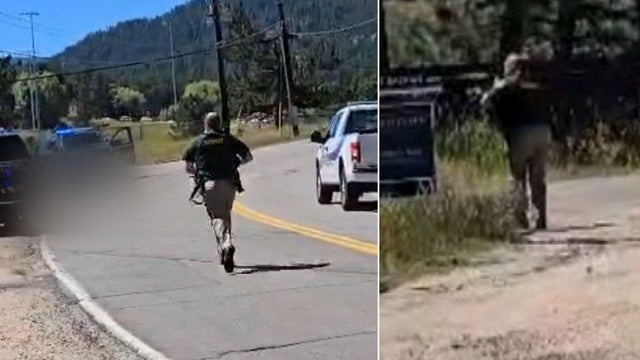
Delmer Martinez’s description of his experience provides an intimate view of the raw, real-time drama that ensued. In his own words, “I got out of the car and started to film,” captures the mix of shock and responsibility felt by many who witness crises. The witness describes a young person fighting a struggle with another, followed by a sudden escalation involving the use of a firearm. Martinez’s decision to record this event has now provided us with a stark, unedited look at how quickly things can spiral out of control.
It is important to understand the human side of these incidents. Witnesses like Martinez face a mix of overwhelming shock and the tricky parts of processing what they see. His regret that he “was scared” and that helping “didn’t cross [his] mind” reflects the very human, complicated reaction to unexpected violence. His footage, now circulating on multiple platforms, offers a glimpse into the fine points of how quickly a situation can shift from confusion to outright danger.
Law Enforcement on the Scene: Quick Response Amid Uncertainty
According to the eyewitness account, law enforcement officers arrived quickly on the scene. However, the initial moments were riddled with tension as officers struggled with a series of confusing bits—should they attend to the injured student or pursue the suspect? In these nerve-racking moments, precise decision-making was critical. The officers’ actions, including first aid attempts and a rapid chase up a dirt driveway, underscore the need for emergency teams to be well-prepared for the unpredictable twists and turns that real-life events present.
Local records indicate that the suspect, after a brief chase, was ordered to drop his weapon, culminating in a gunshot that reverberated through the chaotic scene. The rapid onslaught of police vehicles from different directions illustrates the intensity and off-putting scale of the emergency response. This situation serves as a reminder of the taxing challenges faced by law enforcement in managing such short, explosive periods of violence.
Citizen Journalism and Its Role in Chronicling Crisis
The role of citizen journalism, as exemplified by Martinez’s decision to record the incident, is becoming increasingly significant in modern crises. In an era where almost everyone carries a smartphone, ordinary citizens are often the first to record, share, and even analyze events as they unfold. This has the potential to provide an unedited version of events, free from the distorted layers of traditional media processing.
Below is a simple list of some of the benefits and challenges posed by citizen journalism:
- Benefits:
- Immediate on-the-ground perspective
- Unfiltered access to events
- Powerful documentation for public accountability
- Challenges:
- Potential for misinterpretation
- Safety concerns for the recorder
- Issues of privacy and ethical boundaries
While citizen-recorded content can provide valuable insights, it also leaves us with troubling questions: Do we risk compromising privacy or the integrity of legal processes? Can an unedited video ever fully communicate the complicated pieces of a crisis without the benefit of context that trained reporters provide? These are important questions that demand a careful balance between transparency and caution.
Local Impact and Community Response in the Wake of Violence
For families, students, and community members of Evergreen, the trauma of this event is compounded by the ambiguity of what led to such a dire situation. The eerie quietness following the shootout is one aspect of a larger, more intricate puzzle. As local officials, educators, and community leaders try to sort through the aftermath, a number of key issues have come to the forefront:
- How do school communities recover from a violent interruption?
- What steps can be taken to make school environments safer?
- How should local law enforcement and state agencies refine their emergency protocols?
These questions are not easily answered. Many of them require digging into the subtle parts of school safety policies and the role that community intervention can play. It is clear that while the immediate focus is on whether justice has been served, the next step involves a careful, long-term review of the critical measures that can be implemented to forestall such tragedies in the future.
Educational Policy and State Responses: Learning from the Past
In the wake of the Evergreen tragedy, state and federal education policies face a renewed call for action. Educational leaders across the nation are taking a closer look at the current safety protocols in schools. Addressing the tricky parts of emergency response planning and crisis management in education is essential to prevent similar events in the future.
Several key aspects need careful thought:
| Issue Area | Challenges (Tricky Parts) | Potential Solutions (Simple Steps) |
|---|---|---|
| Emergency Preparedness | Deciding when to evacuate vs. shelter-in-place | Enhanced training and simulations |
| Communication Protocols | Overwhelming and delayed communication | Robust, multi-channel communication systems |
| Student Mental Health | Tense recovery and limited counseling resources | Increased funding for school-based mental health services |
| Law Enforcement Coordination | Short, nerve-racking decision-making under pressure | Joint training exercises with emergency response teams |
Each of these points highlights not only the immediate needs but also resonates with the long-term educational policy agenda. More than ever, there is a clear need to address the subtle details that help keep our schools safe and our communities resilient.
The Overlapping Issues: Public Safety, Education, and Policy
The Rapid Chain Reaction that unfolded that day in Evergreen highlights the intersection of public safety, law enforcement policies, and educational responsibilities. On one hand, there is the clear need for safety protocols that can handle off-putting emergency situations; on the other, there is the challenge of ensuring that schools remain nurturing places of learning where students feel secure.
Community members and policy makers alike must work together to find a path forward. Key considerations in these discussions include the following:
- Balancing Security and Normalcy: While safety measures are super important, excessively restrictive practices can also create an intimidating environment for students.
- Investing in Mental Health Support: Traumatic events can leave lasting marks on students and staff alike, highlighting the need for timely counseling and ongoing support.
- Building Local Capacity: Local communities need targeted training and clear communication channels, particularly during those nerve-racking initial minutes of a crisis.
Each bullet point encompasses its own set of tangled issues which must be addressed to safeguard educational environments. In working through these, communities may find practical solutions that prevent future tragedies while preserving the spirit of learning and growth.
Challenges in Managing Crisis Situations: A Closer Look at the Police Response
The immediate police response during the Evergreen incident has highlighted the complicated pieces of managing a rapidly unfolding crisis. In an ideal scenario, law enforcement should be able to make split-second decisions that safeguard lives; however, in this instance, the officers were seen grappling with a dilemma that was both nerve-racking and full of problems.
According to witness testimonies, the confusion among officers was evident as they were trying to decide whether to attend to a student lying on the ground or pursue the suspect. Observers noted that the police seemed unsure how to tackle the tricky parts of the situation, showcasing the challenges inherent in responding to multiple simultaneous threats.
This type of situation raises several questions about the training and preparedness of our law enforcement agencies. As guns are involved and the stakes are incredibly high, the need for clear, decisive protocols is super important. It also calls attention to the small distinctions in on-scene communication that can mean the difference between life and death in moments of extreme crisis.
Unpacking the Role of Video Evidence in Modern Crisis Reporting
The video recorded by Delmer Martinez is not just a raw capture of events, but an example of how our digital age is reshaping the landscape of crisis reporting. The footage provided by a witness offers both advantages and drawbacks.
From an advantage point of view, the recording serves as an immediate timeline of events. However, it is also important to consider how unedited footage can sometimes be misleading if contextual background is missing. As more citizens choose to document incidents, they contribute valuable primary sources—yet it is the task of experts to figure a path through interpreting these videos accurately.
The key points of discussion surrounding this new wave of citizen journalism include:
- The authenticity and immediacy of real-time recordings
- Potential impacts on legal proceedings and privacy
- Ethical questions in the sharing of traumatic events
In addressing these issues, the media, legal experts, and community leaders must work together to assess the fine points of using such evidence in broader public dialogues and policy reviews.
School Safety and the Role of Mental Health Support
No discussion about the Evergreen High School ordeal can be complete without addressing the long-term effects on the school community. The psychological impact on students, teachers, and parents is immense, and recovery is often a slow, painstaking process. The incident has underlined a crucial need for robust mental health support systems within educational institutions.
The following elements are super important when it comes to caring for the mental well-being of the school population:
- Accessible Counseling Services: It is essential for schools to offer professional mental health resources both immediately following the crisis and over the long haul.
- Peer Support Programs: Initiatives that allow students to share experiences and support one another can ease some of the overwhelming feelings of isolation and fear.
- Community Outreach: Local community centers and healthcare providers should be integrated into a comprehensive recovery plan, ensuring that help is both accessible and coordinated.
The need to address these delicate aspects cannot be overstated, as they are some of the most critical steps in ensuring that students can eventually return to a state of normalcy and continued learning.
Lessons Learned: How Schools and Communities Can Prepare for Future Incidents
While no community wishes for another tragic event, it is essential to take a closer look at the lessons learned from Evergreen. Educational leaders, law enforcement, and policy makers have a unique opportunity to use these difficult moments to reshape safety protocols and emergency responses in schools.
Some fundamental strategies that could help reduce future risks include:
| Strategy | Potential Impact | Key Considerations (Tangled Issues) |
|---|---|---|
| Enhanced Training for Staff and Officers | Better decision-making in a crisis | Practical, scenario-based simulations |
| Improved Communication Systems | Faster, accurate real-time information | Integration of digital alerts and public announcement systems |
| Mental Health Programming | Long-term emotional recovery for students | Access to professional counseling and community support networks |
| Regular Policy Reviews | Ongoing adaptation to new challenges | Incorporating feedback from the community and law enforcement |
These strategies are designed to address both the immediate and the long-lasting effects of school violence. By taking a proactive approach, communities can work towards creating safer learning environments that are better equipped to handle those nerve-racking moments when tragedy strikes.
Community Resilience: Finding a Way Forward After Trauma
The Evergreen incident is a stark reminder of how delicate the balance is between safety and vulnerability. For the community, the challenge now is not only to cope with the aftermath but also to make constructive changes that honor the memories of those affected. Community resilience is built on collaboration, dialogue, and the hard work of uncovering the subtle details that, when addressed, lead to meaningful change.
Critical steps in promoting resilience include:
- Open forums for community discussion on safety and recovery
- Workshops and training sessions in schools and community centers
- Enhanced local partnerships between law enforcement, health professionals, and educators
By addressing these issues collectively, communities can begin to mend the emotional wounds left by such events, ensuring that similar occurrences are met with quicker, more organized responses in the future.
Ethical and Legal Considerations in the Age of Instant Recording
While the footage captured by Delmer Martinez has provided critical insights, its existence raises important ethical and legal discussions. On the one hand, having visual evidence can be essential for transparency and accountability. On the other, it also exposes sensitive details that may not paint the full picture—and may even compromise personal privacy.
In managing this dual-edged sword, authorities and ethical watchdogs need to weigh several critical points:
- Privacy vs. Public Interest: Balancing individual rights with the community’s right to know.
- Reliability of Unedited Footage: Recognizing that even raw videos might miss contextual pieces that could inform the legal process.
- Long-Term Psychological Impact: Considering how repeated exposure to violent content may affect viewers, especially young people.
These ethical and legal questions are not easily answered, and require input from multiple sectors, including legal experts, mental health professionals, and journalists. By engaging in open dialogue about these issues, communities can craft guidelines that respect both individual privacy and the need for a free flow of information.
Bridging the Gap Between Policy and Practice in School Safety
Educational institutions are often seen as bastions of safety and learning, yet the ever-present threat of violence demands that we re-assess our strategies for protecting students. The Evergreen shooting has underscored that while policy may be designed to manage rapid crises, practical application in the field can be riddled with confusing bits and unexpected twists and turns.
Bridging the gap between policy and practice means acknowledging that:
- Checks and balances must be set up to evaluate the effectiveness of implemented measures.
- Regular training sessions for both school staff and law enforcement are needed to ensure they can work together smoothly.
- Feedback mechanisms should be established so that lessons learned from incidents can be turned into improved protocols.
Through consistent review and open channels for discussion, we can help ensure that our institutional responses do not falter in the face of real-world challenges. This collaboration between different community stakeholders is one of the key steps in ensuring that safety measures are not only written in policy books but are lived and implemented under challenging conditions.
Examining the Broader Impact on National Discussions of School Violence
Beyond the immediate impact on Evergreen, this incident resonates with national conversations on school violence and public safety. Every tragic shooting reminds us that the tangled issues surrounding school security are not unique to one locale, but reflect a broader national dilemma. The contrast between the intended safe havens of educational institutions and the nerve-racking reality of violent outbreaks forces us to re-examine our understanding of safety in schools.
Among the national forums reviving the debate, several key aspects have emerged:
- The role of federal versus local control: How state and local agencies can more effectively support school districts.
- Broader implications for gun control: The need to have discussions surrounding the availability and regulation of firearms.
- Community-based solutions: Initiatives that leverage local resources to build safety nets around educational institutions.
Each element of this debate is full of problems and nerve-racking challenges, yet ignoring them is not an option. Our national discourse must continue to address these critical topics by ensuring that policies are both practical and sensitive to the unique circumstances of each community.
The Importance of Informed Policymaking and Community Engagement
As we consider the future of school safety, it is super important that policy decisions are driven by a careful examination of real-life events combined with input from the communities directly affected. The lessons from Evergreen have a dual value: they have exposed critical flaws in our current emergency responses and simultaneously pinpointed areas where communities can support improved measures.
Informed policymaking in this realm involves multiple avenues of engagement:
- Consultations with Educators: Teachers and school administrators offer insights into the subtle details of day-to-day school life that are essential for practical safety planning.
- Collaboration with Law Enforcement: Officers on the ground provide an indispensable perspective on how quick decisions must be made under intense pressure.
- Input from Mental Health Professionals: These experts can help ensure that both immediate and long-term support systems are in place.
In essence, a successful strategy moving forward will harness community input at every level, bridging the gap between policy and practice while ensuring that the hidden complexities of each situation are recognized and addressed.
Future Steps: Building a Safer Environment for Our Schools
In the aftermath of the Evergreen incident, it is critical to focus not only on immediate responses but also on concrete, long-term measures aimed at ensuring evolving safety in our schools. By learning from the events of that day, communities across the nation can start to build strategies and systems that are designed to withstand future emergencies.
Future steps to improve school safety include:
- Reevaluating Current Security Protocols: This involves rethinking procedures in a way that addresses both the nerve-racking moments of a crisis and the slow, complicated processes of recovery.
- Investing in Advanced Communications: Better technology for real-time alerts can help ensure a faster, more cohesive response during emergencies.
- Establishing Continuous Training Programs: Routine drills and simulated events will help both school staff and law enforcement find their way through potential crises with more certainty.
- Fostering Community-Led Safety Initiatives: By encouraging local involvement and support networks, communities can develop their own tailored solutions to the unique challenges they face.
Each of these steps underscores a proactive approach to dismantling the intimidating barriers that often emerge when tragedy strikes. In many ways, the hard lessons learned at Evergreen should serve as a catalyst for change—a reminder that in every challenging moment, there exists an opportunity to build something better and more secure.
Concluding Thoughts: From Tragic Events to Hopeful Change
The Evergreen High School tragedy, with its chaotic unfolding and multi-layered impact, is a powerful call to action. It spotlights the hidden complexities, the nerve-racking conditions, and the tricky parts involved in handling school violence. Yet amidst the confusion and tragedy lies an opportunity for growth—a chance to reexamine our approaches, improve our support systems, and ensure that our educational institutions are truly safe havens for learning.
As we move forward, it is critical that we acknowledge the multifaceted challenges presented by such incidents. By taking a closer look at the law enforcement response, the role of citizen journalism, and the impact on educational policy, communities can start to forge a future where safety is enhanced not just by protocols, but by empathy, preparedness, and an unwavering commitment to the well-being of every student.
In closing, the challenge will be to convert this tragedy into a learning moment—a turning point from which we build stronger, more resilient institutions. The lessons learned from Evergreen must be integrated into our ongoing efforts to protect students and safeguard the future of education.
It falls upon educators, policymakers, law enforcement professionals, and community members to work together, embracing both the fine points and the hidden complexities of this issue. Only through such collective engagement can we hope to transform a nerve-racking episode of violence into a legacy of hope, reform, and lasting change.
Originally Post From https://www.cbsnews.com/colorado/news/evergreen-school-shooting-witness-video-deputies-colorado/
Read more about this topic at
Student suspect dies after high school shooting – ABC News
Evergreen High School Shooter’s Online Activity Reveals …